
What Does a Home Inspection Look Like in Carson City, NV? A Buyer’s Guide

A home inspection in progress
If you're buying a home in Carson City, one of the steps I always encourage my buyers to take seriously is the home inspection.
You may walk into a home and immediately think, “This is the one!” You love the layout, the kitchen checks all the boxes, the backyard is exactly what you were hoping for, and you can already picture yourself living there.
That excitement is part of what makes buying a home so special. But before you get too far ahead, it's important to take a closer look at the condition of the property.
That's where a home inspection comes in.
A home inspection can give you a better understanding of the home's condition and help you identify potential issues that may not be obvious during a showing. It can also give you an opportunity to ask questions and make informed decisions as you move forward with your purchase.
As a Carson City real estate agent, I want my buyers to feel confident and informed—not surprised—when they reach the inspection stage.
Here’s what you should know about the home inspection process when buying a home in Carson City, Nevada.
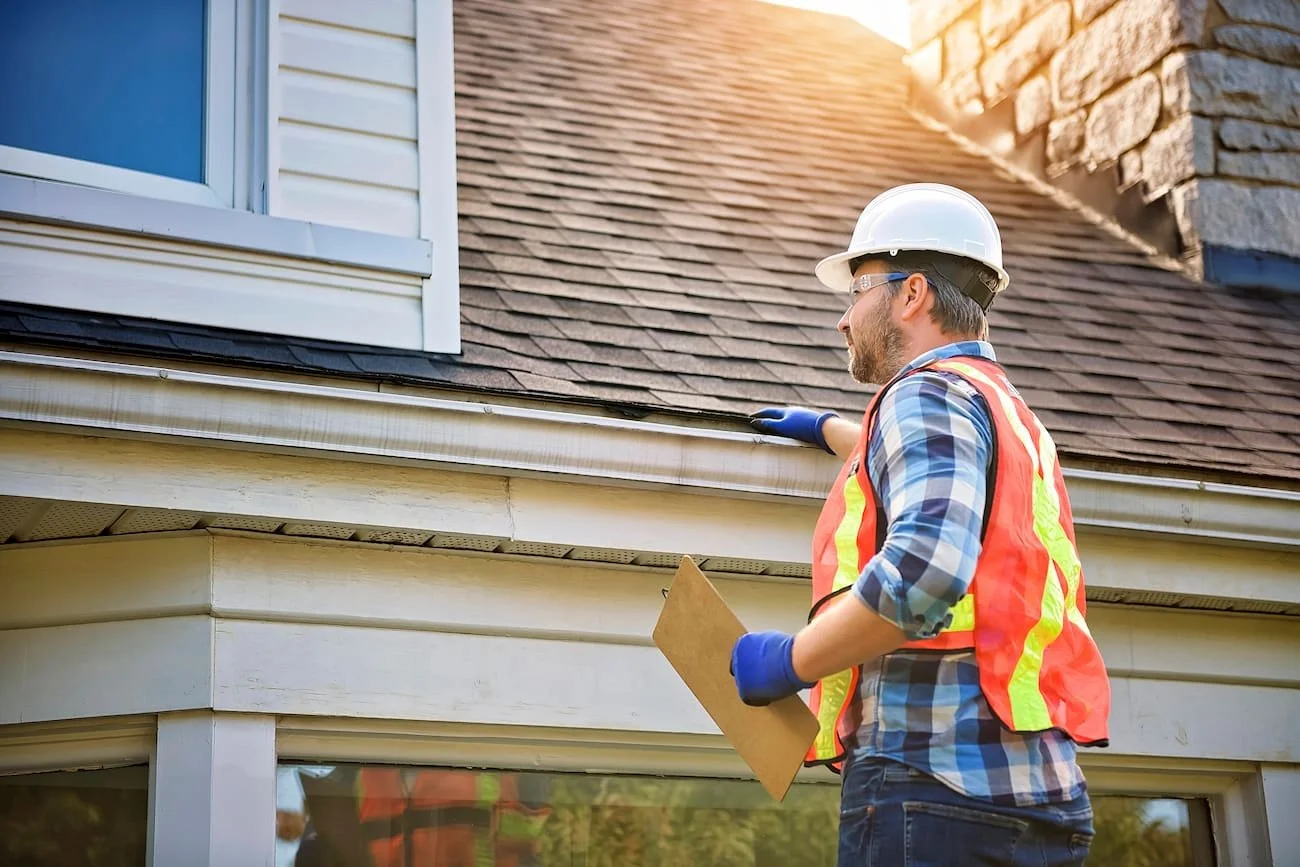
What Is a Home Inspection?
A home inspection is a detailed visual examination of a property's major systems and components.
The inspector is looking for visible signs of potential problems, deferred maintenance, safety concerns, and conditions that may need further evaluation.
A typical inspection may include areas such as:
Roof and visible roofing components
Foundation and structural elements
Exterior walls and siding
Windows and doors
Attic areas
Insulation and ventilation
Plumbing systems
Electrical systems
Heating and cooling systems
Water heaters
Interior walls, ceilings, and floors
Kitchens and bathrooms
Garages and other accessible areas
The exact scope of an inspection can vary depending on the property, inspector, and services requested.
It's also important to understand that a home inspection isn't the same thing as a guarantee that everything in the house is perfect. Inspectors generally report on what they can observe at the time of the inspection.
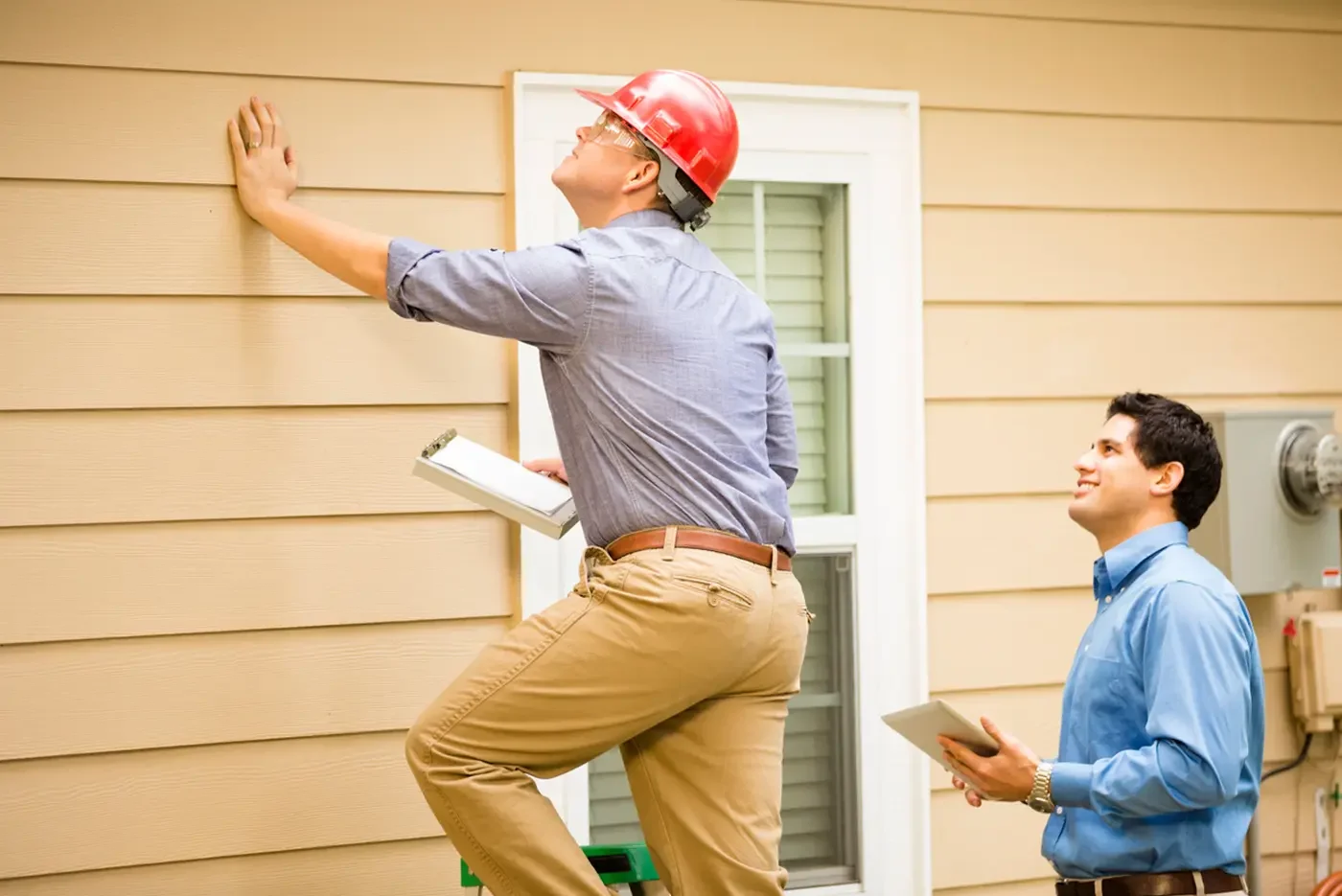
Why Is a Home Inspection Important for Carson City Buyers?
Every home is different.
A newer home may have different considerations than an older property. A home that's been remodeled may have different areas to investigate than a home that hasn't been updated in years.
And here in Carson City, buyers may encounter a variety of homes, neighborhoods, lot sizes, ages, and property types.
You might be purchasing a traditional single-family home, a property with a larger lot, a home with an older HVAC system, or a property where previous owners have completed renovations.
A home inspection gives you another layer of information before you finalize your purchase.
It can help you understand:
What appears to be functioning properly
What may need maintenance
Which items may need repair or replacement
Whether a professional should take a closer look at something
What questions you may want to ask before moving forward
For me, the goal isn't to make buyers nervous about buying a home. It's to help them understand what they're buying.
What Does a Home Inspector Actually Look At?
One of the questions I hear from buyers is, “What exactly are they checking?”
The inspector will typically evaluate many of the home's major visible components.
The Roof
The inspector may look at the visible condition of the roof, including roofing materials, flashing, drainage, and other accessible components. A roof issue isn't necessarily something that should immediately stop you from buying a home. However, knowing the condition of the roof can help you plan for maintenance or future replacement.
Heating and Cooling
HVAC systems are another important area. The inspector may evaluate the system's visible condition and operation. If the system is older, you may want to ask questions about its age, maintenance history, and expected lifespan.
Electrical Systems
Electrical components are also reviewed as part of a typical home inspection. The inspector may look at outlets, panels, visible wiring, switches, and other accessible components. If something appears unusual or potentially unsafe, the report may recommend evaluation by a qualified electrician.
Plumbing
Inspectors may check visible plumbing fixtures and components, look for signs of leaks, and evaluate water flow and drainage where accessible. A small plumbing issue may be relatively simple to address, while other findings could warrant additional investigation.
Foundation and Structure
The inspector will also look for visible signs related to the home's structure and foundation. If the inspector sees something that needs further evaluation, they may recommend consulting a structural professional or another qualified specialist. This is one reason I always tell my buyers not to panic when they see a recommendation for further evaluation. A recommendation isn't automatically a diagnosis of a major problem.

Does a Long Inspection Report Mean There's Something Wrong With the House?
Not necessarily.
This is something I think every first-time homebuyer should know.
Inspection reports can be surprisingly long because inspectors often document many observations, maintenance recommendations, and informational items.
Some findings may be minor.
For example, a report could mention things such as:
A loose handrail
Missing caulking
A dirty HVAC filter
A dripping faucet
Minor exterior maintenance
An outlet that needs attention
Vegetation growing too close to a structure
Seeing a long list can feel overwhelming at first, but not every item carries the same level of importance.
When I help buyers review the inspection process, I encourage them to focus on understanding the findings rather than simply counting how many items are listed.
The key questions are:
Is it a safety concern?
Is it a major system issue?
Does it require professional evaluation?
Is it something that needs immediate attention or routine maintenance?
Those questions can provide much more context than simply looking at the number of pages in a report.
What Happens If the Inspection Finds a Problem?
This is often the part of the process that makes buyers nervous.
You find the house you love, the inspection happens, and suddenly there are several items in the report.
Take a breath.
Finding issues doesn't automatically mean the transaction is falling apart.
Most homes have something that needs attention. The important thing is understanding what was found and determining what, if anything, needs to happen next.
Depending on the circumstances and the terms of your purchase agreement, there may be opportunities to discuss inspection-related concerns with the seller.
That could involve requesting repairs, asking for other concessions, negotiating based on certain findings, or deciding how you want to proceed.
The specifics depend on the transaction and applicable terms, so this is where having the right professionals involved is important.
My role as your real estate agent is to help you understand the real estate side of the process, communicate with the other side, and help you navigate the next steps.

Not Every Inspection Finding Is a Dealbreaker
This is another point I like to emphasize with my buyers.
A home doesn't have to be perfect to be the right home for you.
If you're buying an older property, for example, you may expect to see some signs of age.
Maybe the flooring isn't brand new.
Maybe the HVAC system is older.
Maybe there are cosmetic updates you'd like to make after moving in.
Those things aren't necessarily reasons to walk away.
The bigger question is whether the home's condition aligns with your budget, expectations, plans, and comfort level.
A good inspection gives you information. What you do with that information is a personal decision.
Should You Attend the Home Inspection?
If your schedule allows, I generally think attending the inspection can be a valuable experience for a buyer.
It gives you the opportunity to see the property again while learning more about how its major systems work.
You may notice things that weren't obvious during a typical showing.
You can also ask questions and become more familiar with the home before closing.
That said, inspections can take time, and buyers don't always need to be present for every minute of the process. Your inspector and real estate agent can help you understand what to expect and how the appointment will work.
Don't Just Inspect the House—Consider the Whole Property
When you're buying a home in Carson City, don't forget to look beyond the four walls.
Think about the property as a whole.
Depending on the home, you may want to consider:
Lot size and layout
Landscaping
Driveway and parking
Garage condition
Fencing
Drainage
Outdoor structures
Access to the property
Storage space
Views and surrounding properties
Nearby roads and traffic
How the property fits your lifestyle
If you're buying a larger lot or a property with additional outdoor space, these considerations can be especially important.
The home inspection is one piece of the overall due diligence process. Your real estate agent can also help you think through questions about the property, neighborhood, transaction, and your long-term plans.
What About Older Homes in Carson City?
Carson City has a mix of homes from different decades, which means buyers can encounter properties with very different construction styles, updates, and maintenance histories.
If you're considering an older home, I encourage you to pay attention to the age and condition of major systems.
Ask questions such as:
How old is the roof?
How old is the HVAC system?
When was the electrical system last updated?
Have there been plumbing updates?
What renovations have been completed?
Were permits obtained where required?
Has the property had any previous water intrusion or major repairs?
What maintenance has been performed over the years?
You don't need every component of a home to be brand new.
What matters is understanding the property's current condition and planning realistically for future maintenance.
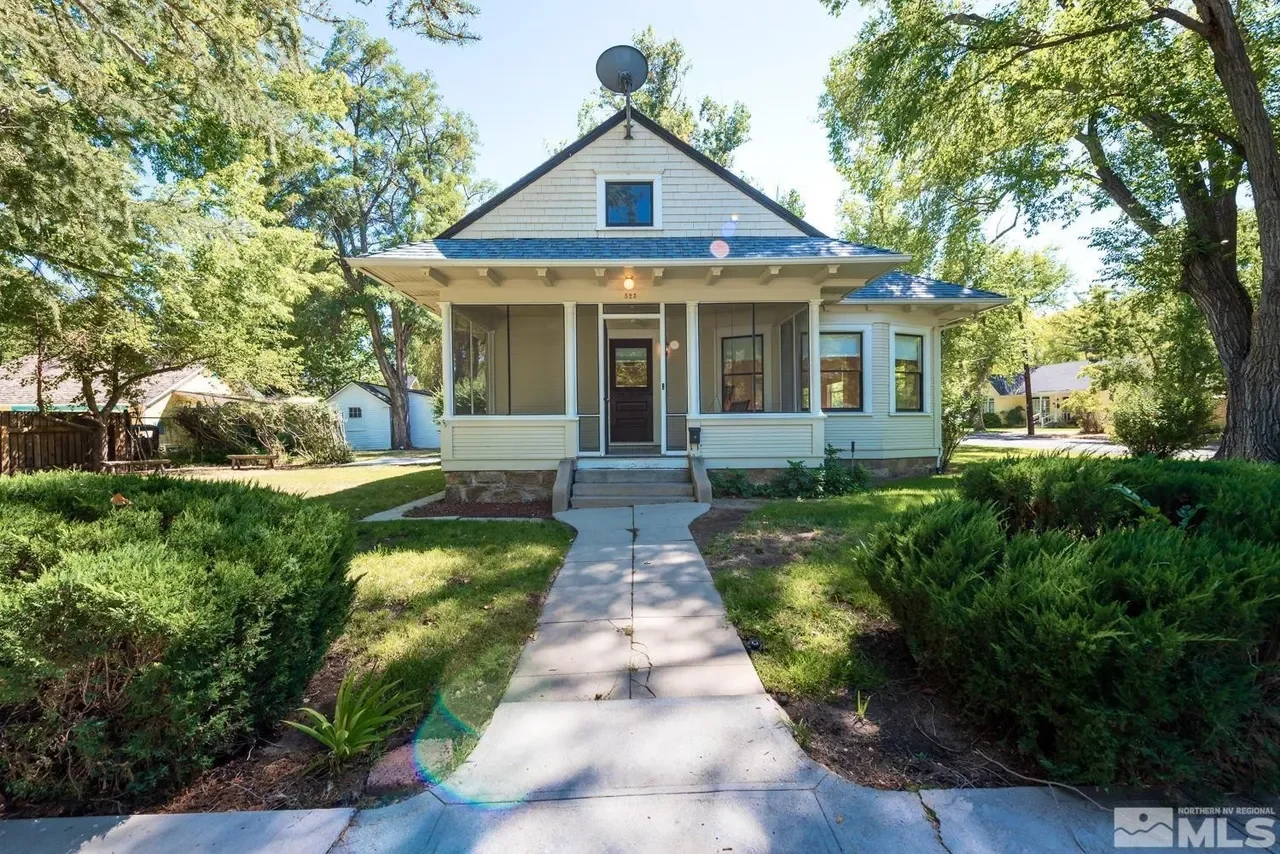
Questions Carson City Homebuyers Should Ask
If you're getting ready for a home inspection, here are a few questions worth keeping in mind:
What are the biggest concerns identified during the inspection?
This can help separate major issues from routine maintenance items.
Are there items that need a specialist to evaluate?
Sometimes an inspector may recommend further evaluation by a roofer, electrician, plumber, HVAC professional, structural specialist, or another qualified expert.
What needs attention now versus later?
Not every recommendation is urgent.
Are there safety concerns?
Safety-related findings deserve careful attention.
How old are the major systems?
Understanding the approximate age of major components can help you plan for future expenses.
What should I budget for after moving in?
Your inspection can help you think about upcoming maintenance and improvements.
A Home Inspection Is About Information, Not Perfection
One of my favorite parts of helping buyers is watching them go from feeling overwhelmed by the homebuying process to feeling confident about the decisions they're making.
A home inspection is part of that process.
It's not about finding a house that has absolutely nothing wrong with it. That's a pretty high standard for any property!
It's about learning more about the home so you can make decisions with better information.
The inspection report is one tool that helps you understand the property. Your lender, insurance provider, inspector, and other professionals may also provide information that plays a role in your overall decision-making.
And as your real estate agent, I'm here to help you understand how the inspection fits into the larger transaction.
A Few Things I Tell My Carson City Buyers
If you're preparing to buy a home, here are a few things I always encourage you to remember:
Don't skip the questions. If you don't understand something in an inspection report, ask.
Don't panic over every recommendation. Inspection reports often contain routine maintenance items and observations.
Pay attention to major systems. Roof, HVAC, electrical, plumbing, structural components, and other major items can have a significant impact on future ownership.
Think about your budget. Consider both the purchase price and the ongoing cost of owning the home.
Look at the entire property. The house itself is important, but so are the lot, neighborhood, location, and lifestyle.
Keep your long-term plans in mind. The right home isn't necessarily the one with the fewest inspection comments. It's the home that fits your needs, finances, goals, and comfort level.
Buying a Home in Carson City?
Buying a home is a big decision, and I know how easy it is to feel overwhelmed by everything that happens between making an offer and getting the keys.
The home inspection is one of those steps where having someone in your corner can make the process feel much easier.
Whether you're buying your first home, relocating to Carson City, downsizing, preparing for retirement, or simply looking for a home that better fits your lifestyle, I would love to help you understand the process and what to expect.
If you're considering buying a home in Carson City, let's talk about what you're looking for, what matters most to you, and how we can make your home search as informed and comfortable as possible.
Thinking about making a move to Carson City? Reach out anytime. I'd be happy to help.
Frequently Asked Questions
Is Carson City a good place to live?
For the right person, absolutely. Carson City offers a smaller community feel, exceptional outdoor recreation, Nevada's significant tax advantages, mountain scenery, and access to Reno and Lake Tahoe. The most important thing is understanding both the advantages and the tradeoffs, particularly the winter climate, the commute dynamics if you work in Reno or Sparks, and the rural high-desert character of the community, before buying.
Does Carson City get a lot of snow?
Carson City averages approximately 22 inches of snowfall per year, though individual storms can produce significantly more. Snow is a real part of winter life here, affecting road conditions, commute times, and daily routines from roughly December through March. If you're relocating from a warmer climate, I genuinely recommend visiting in winter before purchasing a home.
Are homes expensive in Carson City?
The Carson City housing market experienced significant price appreciation in the early 2020s and prices have remained elevated compared to pre-pandemic levels. While Carson City offers meaningful value compared to California markets, affordability can be a challenge for first-time buyers or those on tighter budgets. Nearby communities like Dayton and Silver Springs offer more affordable options while keeping you within reasonable reach of Carson City. Read more: Should I Rent First or Buy Immediately in Carson City?
Is Carson City rural?
Carson City has a smaller-city, high-desert character, not a dense urban one. Residents enjoy easy access to outdoor recreation and open space, and the community has a genuine small-city feel that many people love. Buyers seeking a large urban environment with dense walkable amenities may find Reno a better fit.
How far is Carson City from Reno?
Carson City is approximately 30 miles south of Reno, about a 30 to 40 minute drive in normal conditions. This makes it realistic for Carson City residents to access Reno's employment, healthcare, entertainment, and shopping while living in a quieter community. Winter weather can extend that commute, which is worth factoring into your decision.
Is it better to live in Carson City or Reno?
It depends entirely on your lifestyle priorities. Carson City offers a quieter, more community-oriented feel at generally lower home prices, with easy access to outdoor recreation. Reno offers more urban amenities, a larger job market, and more entertainment and dining options. Many buyers find that a conversation with a local real estate professional who knows both markets well helps clarify which community is actually the better fit for their specific situation.
What should seniors know before moving to Carson City?
Carson City is genuinely one of the most senior-friendly communities in the West, Nevada's tax structure is exceptionally favorable for retirees, healthcare through Carson Tahoe Health is solid and growing, and the outdoor lifestyle and community character tend to support active, engaged retirement living. The winter climate and potential for snow are worth considering for seniors with mobility concerns, and home accessibility features may be worth prioritizing in your search. Read more: Should Seniors Sell Their House or Rent When They Retire?
Ready to Explore Carson City Real Estate?
Whether you're just beginning to research a possible move or you're ready to start looking at homes, I'd love to be a genuine resource for you, with honest local knowledge and zero pressure.
My job isn't to close a transaction. It's to help you make the best possible decision for your life. Sometimes that means helping someone find their perfect Carson City home. Sometimes it means helping someone realize that Reno, Dayton, or another Northern Nevada community is actually the better fit. Either way, you deserve guidance that serves your interests, not just mine.
If you're thinking about moving to Carson City or anywhere in Northern Nevada, let's start with a conversation.
Let's Talk
📞 Call or text me directly to schedule your free, no-pressure consultation. I'm Lisa Williams, and I'm here to help you move forward with confidence into your next chapter.
Lisa Williams, SRES® | The A Team | Carson City, NV | Senior Real Estate Specialist
Best Realtor in Carson City
⭐️ Over 200 Five-Star Reviews on Google

