

After living in a home for many years, deciding whether to sell can be an emotional and important decision. Your home may hold decades of memories, family traditions, and moments that have made it special. At the same time, your lifestyle, priorities, and housing needs may be changing.
I often encourage homeowners to think about what they want their next chapter to look like before making any major real estate decisions. Perhaps you are ready for a smaller home, want less maintenance, hope to move closer to family, or are considering relocating after retirement. Whatever your reason, taking time to understand your options can help you move forward with confidence.
For homeowners in Carson City, Nevada, selling a longtime home involves several considerations, from understanding your property's current market value to deciding where you want to live next.
As a real estate professional and Senior Real Estate Specialist, I believe the process should begin with a conversation about your goals—not pressure to make a move before you are ready.
In this guide, I'll share some important things to consider when selling a longtime home in Carson City and how you can prepare for a transition that fits your needs.

1. Start by Thinking About Your Next Chapter
Before deciding to sell, I recommend taking a step back and considering what is motivating your move.
For some homeowners, maintaining a larger property has become more time-consuming. Others want to spend more time traveling, enjoy a simpler lifestyle, or move closer to children and grandchildren. You may also be thinking about finding a home with fewer stairs, a smaller yard, or a layout that better suits your everyday needs.
There is no single right reason to move, and there is no rule that says you must sell simply because you have reached a certain age.
Start by asking yourself a few questions:
Does my current home still fit my lifestyle?
Would I benefit from less maintenance or a smaller living space?
Do I want to remain in Carson City or move closer to family?
How important are access to healthcare, shopping, recreation, and other services?
What do I want my monthly housing expenses to look like?
Would selling my home help me accomplish my retirement or financial goals?
Your answers can help you determine whether selling makes sense or whether modifying your current home might be a better option.
I encourage homeowners to give themselves time to explore these questions. You do not need to have every detail figured out before taking the first step.
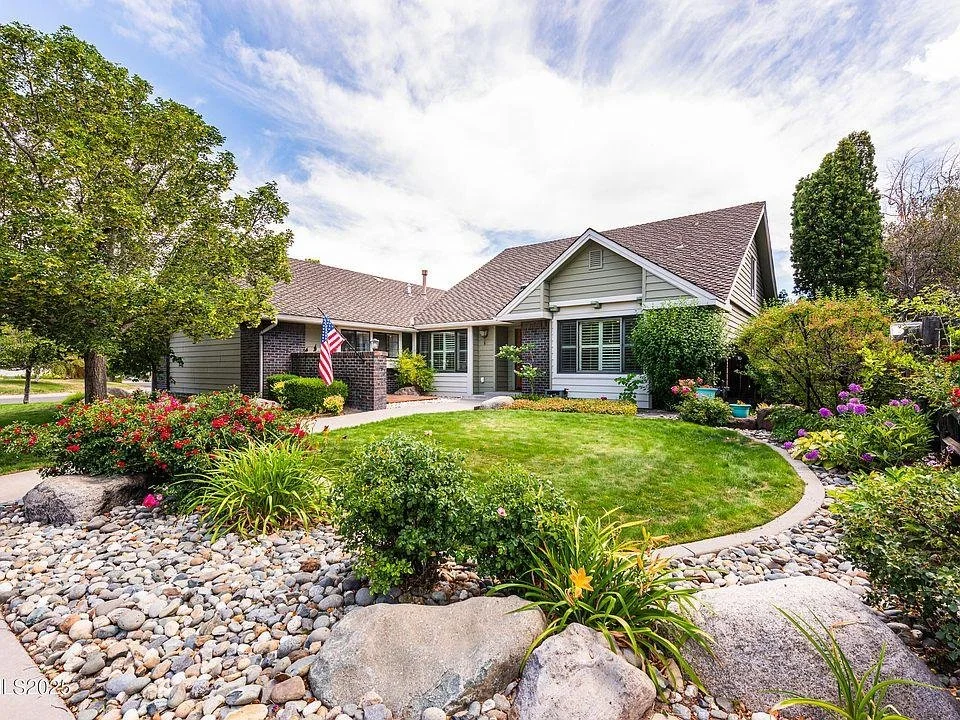
2. Understand What Your Carson City Home May Be Worth
If you have owned your home for many years, you may have built up considerable equity. However, the value of your property today may be different from what you remember paying for it or what you think it should be worth.
Home values depend on several factors, including location, property condition, size, features, recent comparable sales, and current buyer demand.
In Carson City, market conditions can also vary between neighborhoods and property types. A home with updated features may attract a different group of buyers than a property that needs repairs or modernization.
When I help homeowners evaluate a property, I look at factors such as:
Recent comparable sales: What similar homes in the area have recently sold for.
Property condition: The condition of major systems, flooring, kitchens, bathrooms, and other features.
Location: The property's neighborhood and proximity to shopping, services, recreation, and transportation.
Current competition: Similar properties currently listed for sale.
Buyer interest: What buyers are looking for in the current market.
Online home-value estimates can be a useful starting point, but they may not account for the unique details of your property.
I can help you review relevant local market information and develop a pricing strategy based on your home's characteristics and your selling goals.
My goal is to help you understand your options so you can make an informed decision about whether—and when—to sell.
3. Know Your Potential Net Proceeds Before Making Plans
Knowing what your home might sell for is important, but I also recommend looking at the bigger financial picture.
Your estimated net proceeds are what remain after applicable selling expenses and outstanding obligations are deducted from the sale price.
Depending on your situation, expenses may include:
Any remaining mortgage balance or liens
Agreed-upon real estate professional fees
Title, escrow, and other transaction costs
Repairs or improvements before listing
Moving, storage, and temporary housing expenses
Applicable taxes or other financial obligations
Understanding these costs can help you determine how much money you may have available for your next home or other priorities.
If you plan to purchase another property after selling, it is especially helpful to establish a realistic budget before you begin shopping.
You may also want to speak with a qualified tax professional about potential capital gains taxes. Some homeowners qualify for a federal exclusion on gains from the sale of a primary residence, but eligibility depends on individual circumstances.
If you are considering a condominium, townhome, or retirement community, remember to account for ongoing expenses such as association fees and other housing costs.
I believe that understanding the financial side early can make the rest of the process feel much more manageable.

4. Decide Whether Downsizing Is the Right Choice
Downsizing is one option for homeowners who want to simplify their lives or reduce the amount of space they maintain.
However, downsizing does not necessarily mean choosing the smallest property available. It means finding a home that better fits your lifestyle, preferences, and budget.
Depending on what you want, you might consider:
A smaller single-family home. This may allow you to maintain your privacy and enjoy some outdoor space without the upkeep of a larger property.
A condominium or townhome. These properties may offer a more manageable living arrangement, although it is important to review association fees, rules, and maintenance responsibilities.
A single-story home. A layout with fewer stairs may be more convenient for some homeowners.
A low-maintenance property. If you would rather spend less time on yard work and exterior upkeep, this may be worth exploring.
A retirement or age-restricted community. Depending on availability and eligibility, these communities may offer housing options and amenities designed for particular stages of life.
A home closer to family. Relocating may make it easier to spend time with loved ones or access additional support.
If you want to stay in Carson City, I recommend considering your preferred neighborhood, access to everyday services, and the activities you enjoy most.
Think about the life you want to lead in your next home. The right property should support that lifestyle, not simply provide fewer square feet.
5. Prepare Your Home for Sale Without Taking on Unnecessary Expenses
After living in a home for many years, it is natural for some features to show their age. You may have updated certain areas while other parts of the property remain as they were when you first moved in.
The good news is that preparing a home for sale does not always require a major renovation. I generally recommend starting with the basics and evaluating larger projects individually.
Declutter one area at a time
Begin with a spare bedroom, closet, garage, or another manageable space. Decide which items you want to keep, donate, give to family, sell, or discard.
If you have decades of belongings, allow yourself enough time to work through everything without feeling rushed.
Make the home clean and welcoming
Clean windows, floors, countertops, bathrooms, and other frequently used spaces. Clearing unnecessary items from countertops and furniture can help rooms feel more open.
Address practical maintenance issues
Small repairs, such as fixing a dripping faucet, replacing burned-out light bulbs, or tightening loose handles, can help present your home well.
For larger repairs, consider the property's condition, the likely cost, and whether the improvement makes sense before selling.
Improve the home's exterior
A tidy yard, clear walkway, clean entryway, and trimmed plants can create a welcoming first impression.
Talk through major improvements before committing
Before spending money on an extensive renovation, I recommend discussing your options with your real estate agent.
Some improvements may be worthwhile, while others may not provide enough benefit to justify the expense.
The goal is to help buyers appreciate your home's value without putting unnecessary financial pressure on you before the sale.

6. Give Yourself Time to Sort Through a Lifetime of Belongings
One of the most personal parts of selling a longtime home is deciding what to do with the belongings you have collected over the years.
Furniture, photographs, keepsakes, holiday decorations, and family heirlooms may carry memories that are difficult to part with.
I encourage homeowners to begin this process early rather than waiting until the home is under contract.
Here are a few ways to make it easier:
Identify the items you want to keep in your next home.
Ask family members whether they would like particular heirlooms or furniture.
Consider donating useful items you no longer need.
Digitize photographs and documents when appropriate.
Explore professional organizing or senior move-management services if you need additional help.
You do not have to make every decision at once. Start with the items that are easiest to sort and work toward the more meaningful belongings at your own pace.
If you have a target moving date, creating a simple schedule can help you avoid last-minute stress.
I believe this stage deserves patience. Moving forward does not mean forgetting the memories you made in your home. It means deciding which parts of your life you want to carry into the next chapter.
7. Think About Your Future Housing Needs
When choosing your next home, it is helpful to think about both your current lifestyle and the years ahead.
You may be comfortable with your existing layout today, but would a single-story home make everyday life easier? Would a smaller yard give you more time for travel, hobbies, or family visits?
Consider features such as:
An entrance with minimal steps
A bedroom and full bathroom on the main level
Adequate lighting and easy-to-navigate hallways
A bathroom that can accommodate future modifications if needed
Outdoor areas that are manageable to maintain
Convenient access to healthcare, shopping, and other services
Your needs and preferences are personal, so there is no single property type that works for everyone.
If you are considering a community that offers maintenance services or shared amenities, review the associated costs and responsibilities carefully.
Taking time to evaluate these details can help you choose a home that feels comfortable now while giving you flexibility for the future.
8. Plan the Timing of Your Sale and Next Move
Selling your current home and moving into another property can require careful coordination.
Some homeowners prefer to sell first so they know how much money they will have available. Others want to find their next home before putting their current property on the market.
Both approaches have benefits and trade-offs.
Selling first may provide a clearer picture of your available funds, but you may need temporary housing if your next home is not ready.
Buying first may offer more certainty about where you will live, but it can require additional financing or the ability to manage overlapping expenses.
In some situations, the sale and purchase can be coordinated through negotiated closing dates or other contractual arrangements. The available options depend on the properties, financing, market conditions, and terms of the transactions.
If you are relocating out of Carson City, you may also need to coordinate travel, movers, temporary accommodations, and the transfer of important records.
I recommend discussing your ideal timeline early. We can identify the steps that need to happen before your home is listed and consider how the timing of your sale may affect your next move.
A clear plan can help you approach the transition with greater confidence.

9. Review Important Financial and Legal Details
Before selling, take time to organize your property records and understand any financial or legal considerations that may affect the transaction.
Gather documents such as available property records, mortgage information, insurance details, and records of major improvements.
If your property is held in a trust, jointly owned, or connected to an estate, additional documentation or coordination may be necessary.
It is also worth discussing potential tax implications with a qualified tax professional, particularly if your home has appreciated substantially over the years.
If you have questions about ownership, estate planning, or other legal matters, an attorney can help you understand the requirements that apply to your situation.
As your real estate agent, I can help coordinate the transaction and identify questions that may need attention from other qualified professionals.
Taking care of these details early can help reduce surprises as you move closer to closing.
10. Work With an Agent Who Understands Your Priorities
Selling a longtime home is about more than preparing a listing and accepting an offer. It can involve financial planning, emotional decisions, coordinating a move, and choosing where you want to live next.
When selecting a real estate agent, look for someone who listens carefully, explains the process clearly, and respects your timeline.
You should feel comfortable asking questions about pricing, marketing, negotiations, closing costs, and your options for moving forward.
As a Senior Real Estate Specialist, I understand that homeowners considering a move later in life may have concerns that go beyond the transaction itself.
Every homeowner's situation is different. My role is to help you understand your options, evaluate your property, and navigate the selling process in a way that reflects your goals.
Whether you plan to downsize within Carson City, relocate closer to family, or simply explore what your home might be worth, we can start with a conversation about what matters most to you.

Frequently Asked Questions
Is now a good time to sell my home in Carson City?
The answer depends on your home's condition, current local market conditions, financial situation, and personal goals. Reviewing recent comparable sales, competing listings, and buyer demand can help you make an informed decision. The best time to sell is not determined by the market alone; it should also align with your plans for the future.
Do I need to renovate my home before selling?
Not necessarily. Cleaning, decluttering, and addressing visible maintenance issues may be enough for some properties. Larger renovations should be evaluated based on their cost and potential benefit. I can help you identify areas worth considering before you invest in improvements.
How can I make downsizing less stressful?
Start early, sort belongings one area at a time, and give yourself permission to keep the items that matter most. Enlist trusted family members or professional organizers when needed. A realistic schedule can help you make decisions without feeling rushed.
Should I sell my home before buying another one?
The right approach depends on your finances, available housing options, and timeline. Selling first may clarify your available funds, while buying first may give you more certainty about your next home. Discuss your options with your real estate agent and lender before committing to a plan.
What should I look for in a smaller home?
Consider the layout, maintenance requirements, accessibility, location, ongoing costs, and proximity to the people and services important to you. The right home should support the lifestyle you want, both now and in the future.
How can a Senior Real Estate Specialist help me?
A Senior Real Estate Specialist has training focused on real estate considerations that may arise for older adults. Depending on your needs, an agent with this training may help you evaluate housing options, plan a sale, and navigate the transition while coordinating with other professionals when appropriate.
Let's Talk
📞 Call or text me directly to schedule your free, no-pressure consultation. I'm Lisa Williams, and I'm here to help you move forward with confidence into your next chapter.
Lisa Williams, SRES® | The A Team | Carson City, NV | Senior Real Estate Specialist
Best Realtor in Carson City
⭐️ Over 200 Five-Star Reviews on Google

